ICAR-CIFRI and Himachal Pradesh Partner to Unlock Reservoir Fisheries
Potential and Transform Fisher Livelihoods
|
9th September 2026
Barrackpore
In a major push towards revitalising inland fisheries and strengthening sustainable livelihoods
in Himachal Pradesh, the ICAR-Central Inland Fisheries Research Institute (ICAR-CIFRI)
has intensified its technological and scientific partnership with the Department of Fisheries,
Government of Himachal Pradesh.
The roadmap for renewed collaboration was discussed during an interaction between the
ICAR-CIFRI team, led by Dr.PradipDey, Director, ICAR-CIFRI, and Shri Om Kant Thakur,
IAS, Director-cum-Warden, Department of Fisheries, Himachal Pradesh. Dr.SomNath,
Assistant Director of Fisheries, Himachal Pradesh, also accompanied the Department's team
during the interaction.
The discussions focused on transforming the state's reservoirs and inland waters into
productive, sustainable and technology-enabled fisheries ecosystems, with emphasis on
reservoir-specific fisheries management, cage and pen culture, stock enhancement, quality
fish seed production, conservation and capacity building.
From scientific assessment to action-oriented fisheries management
Himachal Pradesh possesses a diverse reservoir fisheries resource comprising GobindSagar,
Pong, Kol Dam, Chamera-I, Chamera-II and Chamera-III, each having distinct ecological,
hydrological and fisheries characteristics. ICAR-CIFRI's long-standing engagement with the
state dates back to 1982, when a Reservoir Research Centre was established at Bilaspur for
GobindSagar fisheries research.
Recent CIFRI assessments have highlighted the need for strengthened scientific management.
In Gobind Sagar, fish yield declined from 149 kg/ha/year in 2013 to 31 kg/ha/year in 2020,
with changing hydrological conditions, deterioration in water quality, pollution, erratic
precipitation, loss of breeding grounds and altered recruitment patterns as identified.
Similarly, CIFRI's assessment of Pong Reservoir identified 12 potential breeding grounds and
emphasised their protection and development as conservation areas, along with scientific
regulation of fishing effort, appropriate mesh size, protection during breeding seasons and
stocking with larger-sized Indian Major Carp seed.
 Cage culture emerges as a promising production pathway
A key highlight of CIFRI's technological interventions in Himachal Pradesh has been the
demonstration of cage-based fish production. Forty-eight HDPE modular cages—24 each in
Pong and Gobind Sagar reservoirs—were installed and stocked with
Pangasianodon hypophthalmus. The intervention generated an average production of 1.9
tonnes per cage, with a total harvest of 102.85 tonnes and revenue generation of ₹73.82 lakh.
The project demonstrated the feasibility of commercial-scale table-fish production from
reservoirs located in a temperate climatic region.
Building on this experience, ICAR-CIFRI and the Department of Fisheries, Himachal
Pradesh, will work towards identifying economically viable and locally preferred fish species
for cage culture in Pong, Gobind Sagar, Kol Dam and Chamera-I reservoirs.
Special emphasis will also be placed on rainbow trout cage culture in Kol Dam Reservoir,
while floating pen culture in Pong Reservoir will be explored for in-situ production of Indian
Major Carp stocking materials.
Quality seed, conservation and stock enhancement at the centre of the strategy
The proposed action plan places strong emphasis on standardised stock enhancement
protocols across the state's reservoirs. Local production of quality seed of Labeo calbasu
(calbasu) and Tor putitora (golden mahseer) will be promoted to simultaneously address
production, conservation and biodiversity objectives.
The initiative will also support reservoir-specific approaches to stocking, recruitment
monitoring and fishing-effort management. This assumes greater significance amid changing
reservoir hydrology. As per the CWC Reservoir Storage Monitoring System dated 3
September 2026, Gobind Sagar stood at 61.3% of live capacity and 80.6% of normal storage,
while Pong Dam stood at 71.4% of live capacity and 90.6% of normal storage. Kol Dam, in
contrast, showed a markedly different storage response at 111.8% of normal. These
contrasting conditions underline the importance of integrating water-level trends with
fisheries recruitment, stocking and fishing-effort monitoring.
Cage culture emerges as a promising production pathway
A key highlight of CIFRI's technological interventions in Himachal Pradesh has been the
demonstration of cage-based fish production. Forty-eight HDPE modular cages—24 each in
Pong and Gobind Sagar reservoirs—were installed and stocked with
Pangasianodon hypophthalmus. The intervention generated an average production of 1.9
tonnes per cage, with a total harvest of 102.85 tonnes and revenue generation of ₹73.82 lakh.
The project demonstrated the feasibility of commercial-scale table-fish production from
reservoirs located in a temperate climatic region.
Building on this experience, ICAR-CIFRI and the Department of Fisheries, Himachal
Pradesh, will work towards identifying economically viable and locally preferred fish species
for cage culture in Pong, Gobind Sagar, Kol Dam and Chamera-I reservoirs.
Special emphasis will also be placed on rainbow trout cage culture in Kol Dam Reservoir,
while floating pen culture in Pong Reservoir will be explored for in-situ production of Indian
Major Carp stocking materials.
Quality seed, conservation and stock enhancement at the centre of the strategy
The proposed action plan places strong emphasis on standardised stock enhancement
protocols across the state's reservoirs. Local production of quality seed of Labeo calbasu
(calbasu) and Tor putitora (golden mahseer) will be promoted to simultaneously address
production, conservation and biodiversity objectives.
The initiative will also support reservoir-specific approaches to stocking, recruitment
monitoring and fishing-effort management. This assumes greater significance amid changing
reservoir hydrology. As per the CWC Reservoir Storage Monitoring System dated 3
September 2026, Gobind Sagar stood at 61.3% of live capacity and 80.6% of normal storage,
while Pong Dam stood at 71.4% of live capacity and 90.6% of normal storage. Kol Dam, in
contrast, showed a markedly different storage response at 111.8% of normal. These
contrasting conditions underline the importance of integrating water-level trends with
fisheries recruitment, stocking and fishing-effort monitoring.
Next-generation technologies to strengthen fisheries
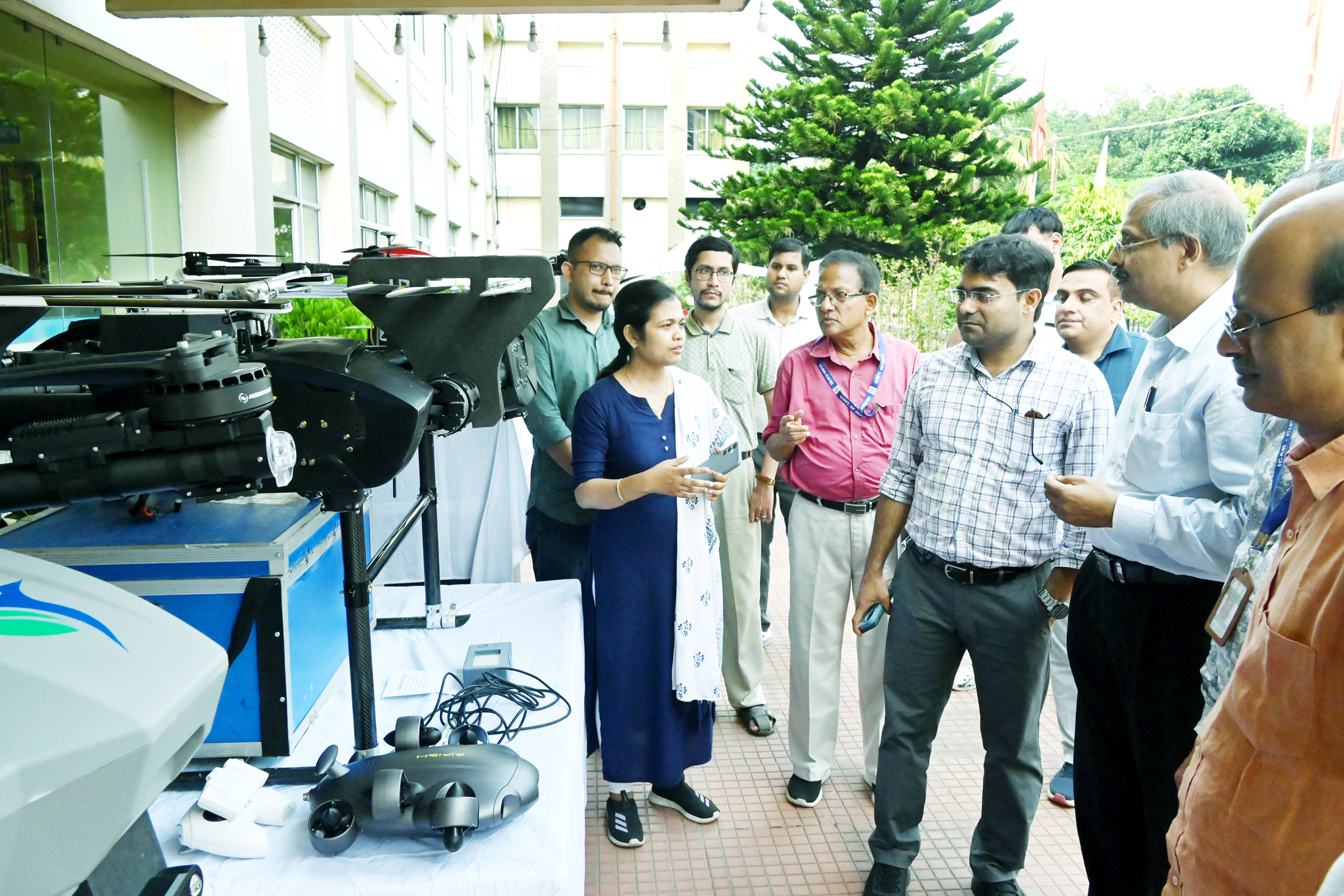
The renewed partnership also opens avenues for deploying smart and precision fisheries
technologies. ICAR-CIFRI showcased its expertise in IoT-based real-time water-quality
monitoring, wireless sensor systems, GIS and remote sensing, drone-based applications and
underwater remotely operated vehicles (ROVs).
These technologies can support real-time monitoring of dissolved oxygen and other water-
quality parameters, fish health and behaviour assessment, cage-net inspection, water
sampling from inaccessible locations, floating macrophyte mapping and improved fisheries
management. CIFRI has also demonstrated drone-based applications including water
sampling, fish transport, monitoring and other fisheries-related operations.
The integration of such technologies with conventional fisheries science is expected to
facilitate a transition towards data-driven, climate-responsive and precision fisheries
management in Himachal Pradesh.
Strengthening riverine fisheries and Mahseer conservation
Beyond reservoirs, the collaboration will also draw upon CIFRI's experience in the Beas and
Sutlej river systems, including assessments of fisheries, biodiversity, river ecology and fisher
livelihoods. Recent studies recorded 75 fish species in the Sutlej, including nine threatened
species, with the endangered golden mahseer (Tor putitora) receiving particular conservation
attention.
Potential interventions include golden mahseer ranching, river-wise fish catch and effort
monitoring, identification and conservation of critical habitats, and biodiversity-sensitive
fisheries management.
Capacity building for fishers at the forefront
A major component of the proposed collaboration will be batch-wise capacity-building
programmes for fishers and other stakeholders at ICAR-CIFRI. Training will cover cage and
pen culture, reservoir fisheries management, quality seed production, stock enhancement, fish
health, water-quality management, value addition and livelihood-oriented fisheries
technologies.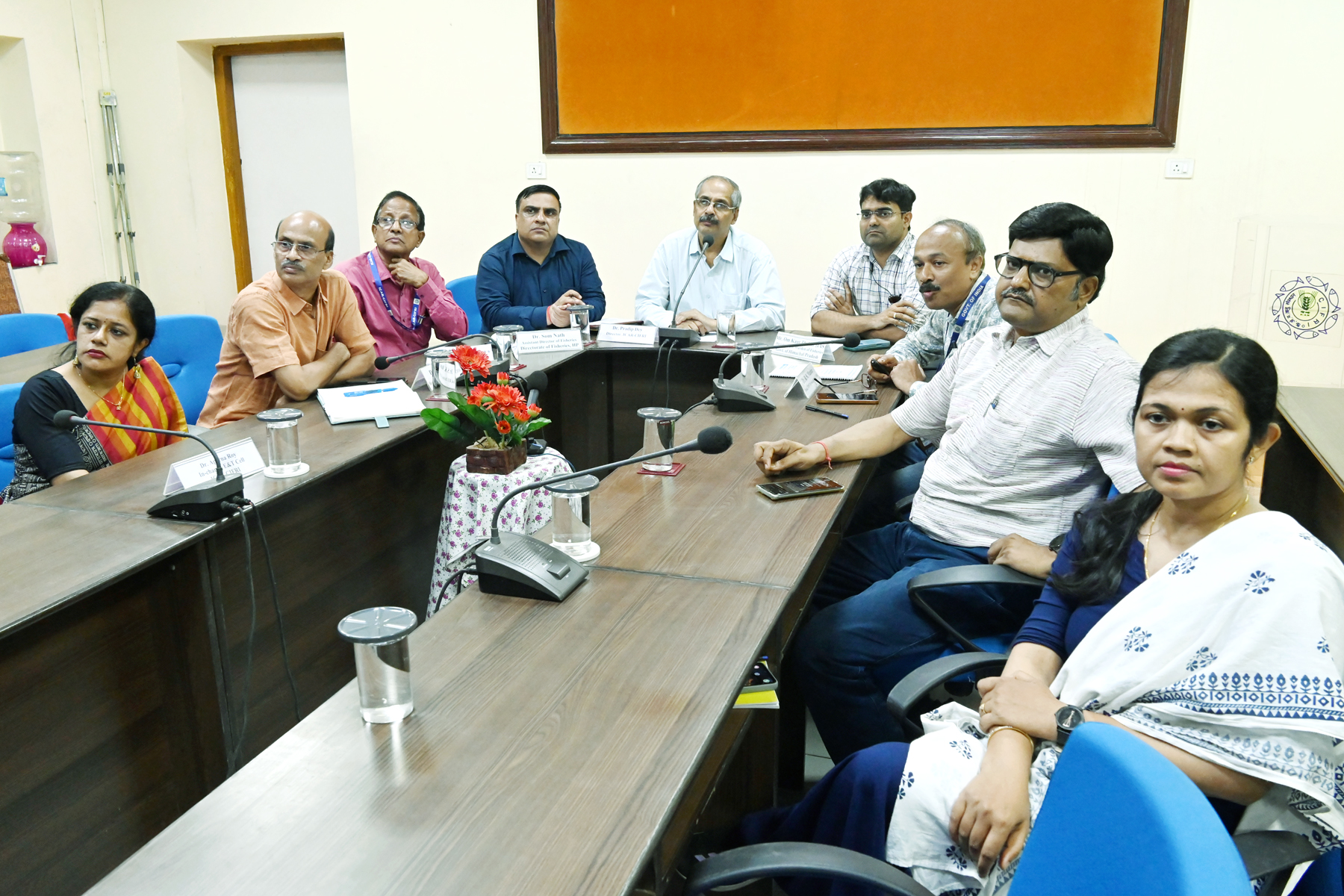
Dr. Pradip Dey, Director, ICAR-CIFRI, highlighted the immense potential of Himachal
Pradesh to emerge as a model for sustainable reservoir fisheries and contribute to the
development of a vibrant inland blue economy. He emphasized that Blue Revolution 2.0
envisages a shift beyond production enhancement towards science-led, climate-resilient,
technology-enabled and livelihood-oriented fisheries development. He stated that ICAR-
CIFRI is committed to partnering with the Government of Himachal Pradesh to harness the
State’s fisheries potential through scientific capacity building, cage and pen culture, quality
seed production, stock enhancement and conservation-oriented fisheries management. He
further emphasized the importance of taking research, innovation and technology to the field
to transform reservoirs into sustainable engines of rural prosperity and contribute to the
vision of Viksit Bharat @2047, with empowered fishers, healthy aquatic ecosystems and a
thriving blue economy forming integral components of inclusive national development.
Shri Om Kant Thakur, IAS, Director-cum-Warden, Department of Fisheries, Government of
Himachal Pradesh, expressed the State Government’s commitment to harnessing the fisheries
potential of its reservoirs and river systems in a scientifically sound and sustainable manner.
He acknowledged the value of ICAR-CIFRI’s technical expertise and field experience in
strengthening cage culture, quality seed production, stock enhancement and conservation-
oriented fisheries management in the State. He also emphasized the importance of deepening
the institutional partnership between the Department of Fisheries and ICAR-CIFRI to
enhance fish production, improve fisher livelihoods and ensure the long-term sustainability of
Himachal Pradesh’s aquatic resources.
Dr. Ranjan Kumar Manna, HoD, RWF Division, ICAR-CIFRI, presented the Institute's
expertise and technological interventions in reservoir fisheries, while Dr. Archan Kanti Das
shared technical insights and field experience on cage culture and its potential for sustainable
fish production.
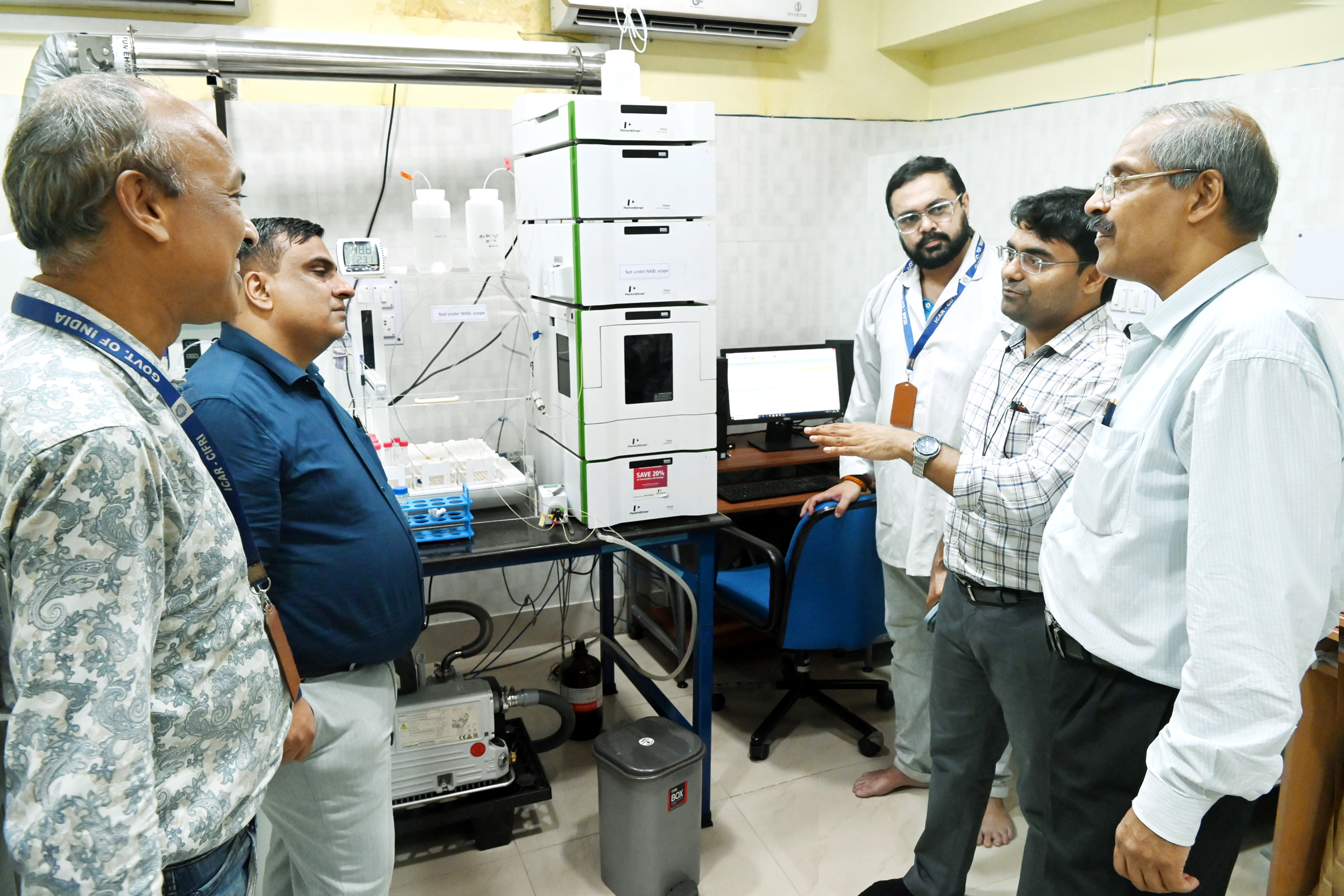
The delegation also visited the state-of-the-art laboratories and research facilities of ICAR-
CIFRI, gaining an overview of the Institute's scientific capabilities, diagnostic facilities and
technological interventions supporting inland fisheries development.
The renewed partnership is expected to provide a stronger scientific and technological
backbone to Himachal Pradesh's fisheries sector, linking reservoir productivity with
ecological sustainability, conservation and fisher welfare. With its commitment for Blue
Revolution 2.0, ICAR-CIFRI is poised to support Himachal Pradesh in building a resilient,
productive and technology-enabled inland fisheries economy.