CIFRI Awards

Purba Medinipur
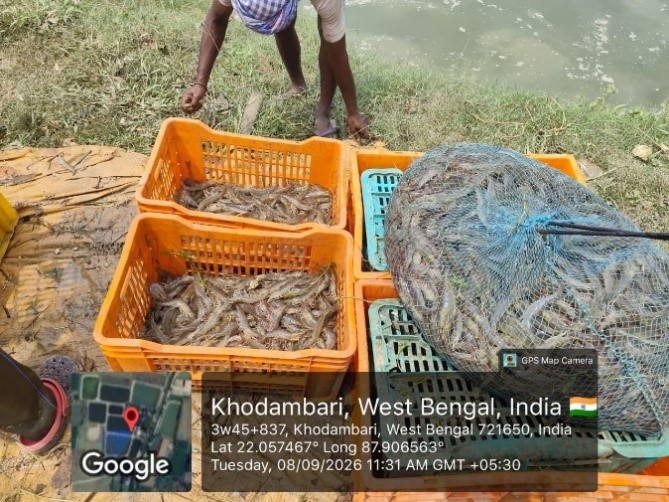
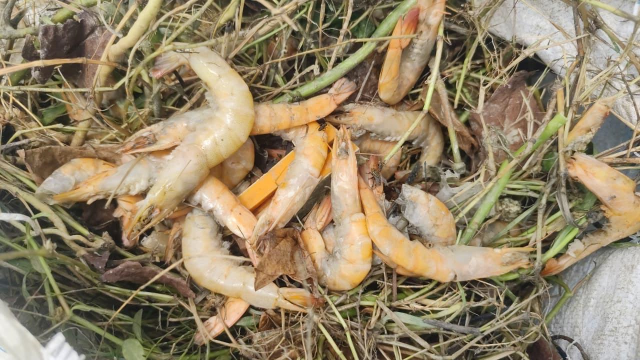
Scientists from the ICAR-Central Inland Fisheries Research Institute (ICAR-CIFRI), Barrackpore, have launched a field-level disease surveillance and diagnostic assessment following reports of mass mortality among cultured whiteleg shrimp (Litopenaeusvannamei) in shrimp farming units across the Chandipur–Nandigram area of PurbaMedinipur, West Bengal.The investigation was undertaken under the National Surveillance Programme for Aquatic Animal Diseases (NSPAAD) to assess the nature and possible causes of the mortality and strengthen disease preparedness among shrimp farmers in the affected area. The ICAR-CIFRI team consisting of Dr.Vikash Kumar, Senior Scientist and ShriAsim Jana, Technical Officer under guidance of Dr.PradipDey, Director, ICAR-CIFRI, Barrackpore, inspected multiple affected ponds and documented clinical and epidemiological signs, pond conditions, culture practices, farm infrastructure and biosecurity measures. Dead and moribund shrimp were examined, while representative shrimp, environmental and associated samples were collected for detailed laboratory diagnosis.
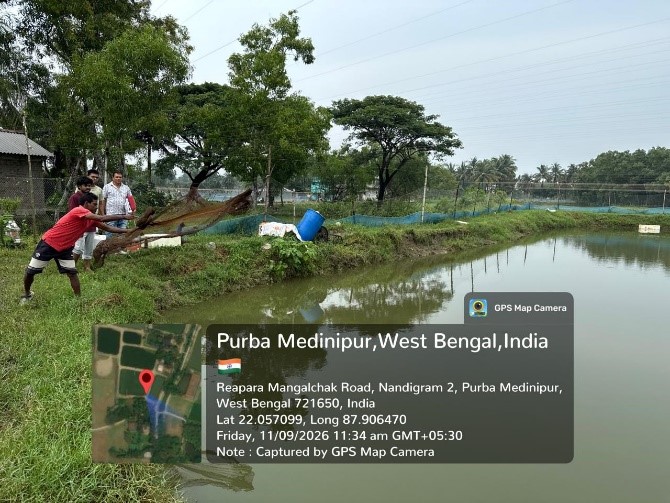
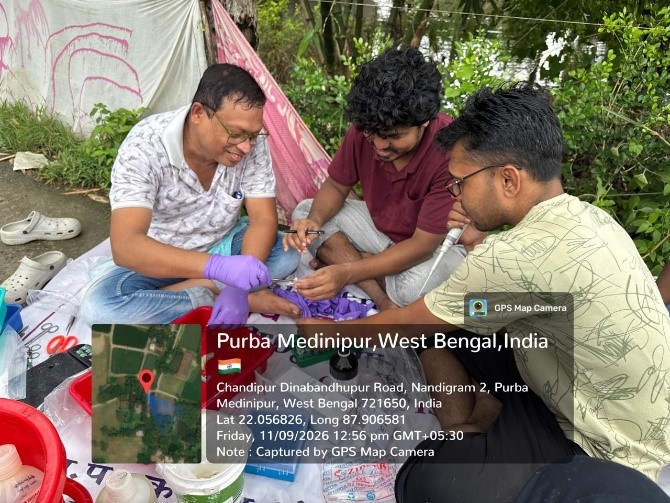
EHP and RMS among preliminary possibilities Preliminary screening and field observations indicated the possibility of Enterocytozoonhepatopenaei (EHP) infection and Running Mortality Syndrome (RMS) as potential contributing factors. However, scientists stressed that these findings are preliminary and do not constitute a confirmed diagnosis. Final determination of the cause will require further pathogen-specific laboratory testing and histopathological examination. The investigation also underscored the role of water quality, pond-bottom conditions and farm management in disease-associated mortality. Fluctuations in dissolved oxygen and pH, inadequate total alkalinity, high organic loading and accumulation of bottom waste can compromise shrimp health and potentially increase susceptibility to disease.
Farmers advised to step up biosecurity and pond management
As an immediate risk-management measure, farmers were advised to remove and safely dispose of dead and moribund shrimp promptly to reduce cannibalism and the potential spread of pathogens. Movement of shrimp, water, equipment and personnel between affected and unaffected ponds should also be restricted wherever practicable.
Awareness drive stresses early reporting
Alongside the field investigation, ICAR-CIFRI conducted an awareness programme involving shrimp farmers and local stakeholders. The programme focused on early disease reporting, routine surveillance, water-quality monitoring, farm sanitation, biosecurity and scientifically informed health management. Farmers were specifically cautioned against the indiscriminate use of antibiotics, chemicals or other therapeutants without a confirmed diagnosis and professional guidance. The ICAR-CIFRI team emphasised that effective disease management in shrimp aquaculture requires an integrated approach combining pathogen detection, environmental monitoring, biosecurity and sound husbandry practices. The final assessment of the PurbaMedinipur mortality event will be based on the results of ongoing laboratory investigations. Further site-specific management recommendations will be issued to the farming community once the diagnostic findings are available.