CIFRI Awards
Lahaul & Spiti
The ICAR-Central Inland Fisheries Research Institute (ICAR-CIFRI), Barrackpore organised an awareness Programme on Indigenous Fish Culture Towards Livelihood Improvement and Biodiversity Conservation on 2nd october at Udaipur, Lahaul and Spiti district of Himachal Pradesh. The programme was organised along the River Chandrabhaga with the objective of creating awareness among local communities about the conservation of indigenous fish resources and the potential of sustainable fisheries for livelihood enhancement. Udaipur, situated along the River Chandrabhaga, represents a unique Himalayan landscape where aquatic biodiversity, fragile river ecosystems and the livelihood aspirations of local communities are closely interconnected. The programme provided a platform to sensitise local stakeholders on the importance of conserving indigenous fish fauna while promoting scientifically managed fisheries and aquaculture practices. During the programme, Dr. A. K. Sahoo, Principal Scientist, ICAR-CIFRI, highlighted the ecological and livelihood significance of indigenous fish fauna in the River Chandrabhaga and stressed their conservation and sustainable management amid hydropower development and climate change in the Himalayan region. He also emphasised breeding, hatchery and scientific culture technologies for indigenous trout, along with river ranching in fishery-depleted stretches, as promising interventions for fish population restoration and sustainable livelihood enhancement.
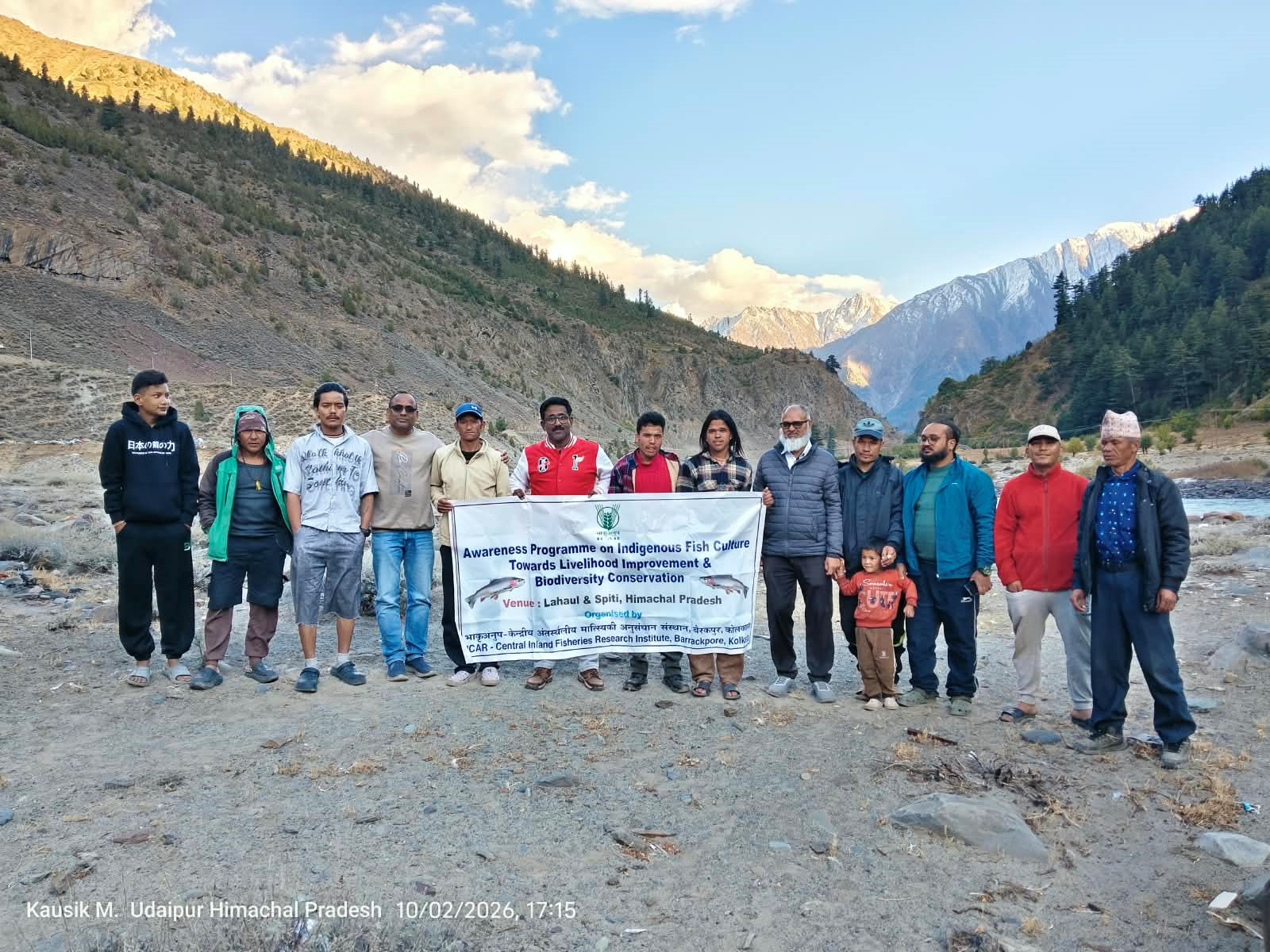
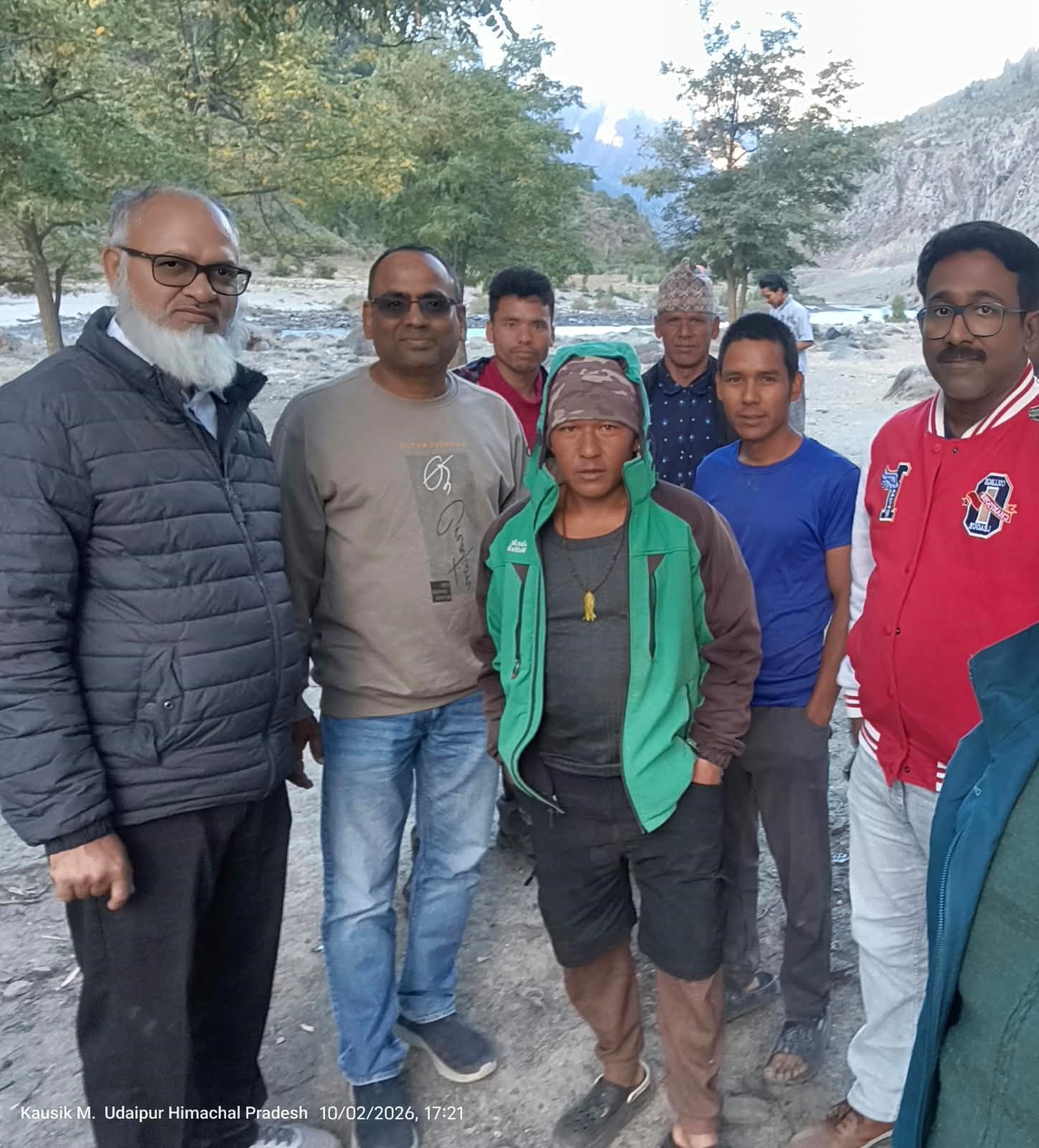
The programme marked an important outreach initiative of ICAR-CIFRI in the Himalayan region, bringing together scientific knowledge on indigenous fish conservation, sustainable aquaculture and livelihood enhancement. The initiative reinforces ICAR-CIFRI’s commitment to promoting biodiversity conservation alongside sustainable and inclusive fisheries development.
The programme was coordinated by the ICAR-CIFRI team comprising Dr. A. K. Sahoo, Principal Scientist; Dr. Roshith C. M, Scientist; and Shri Kausik Mondal, Senior Technical Assistant, under the leadership of Dr. Pradip Dey, Director, ICAR-CIFRI.