ICAR-CIFRI Organises Special Lecture on “Cyber Crime and Cyber Security” under the Preventive Vigilance Campaign 2026
11 th November, 2026 Barrackpore, Kolkata
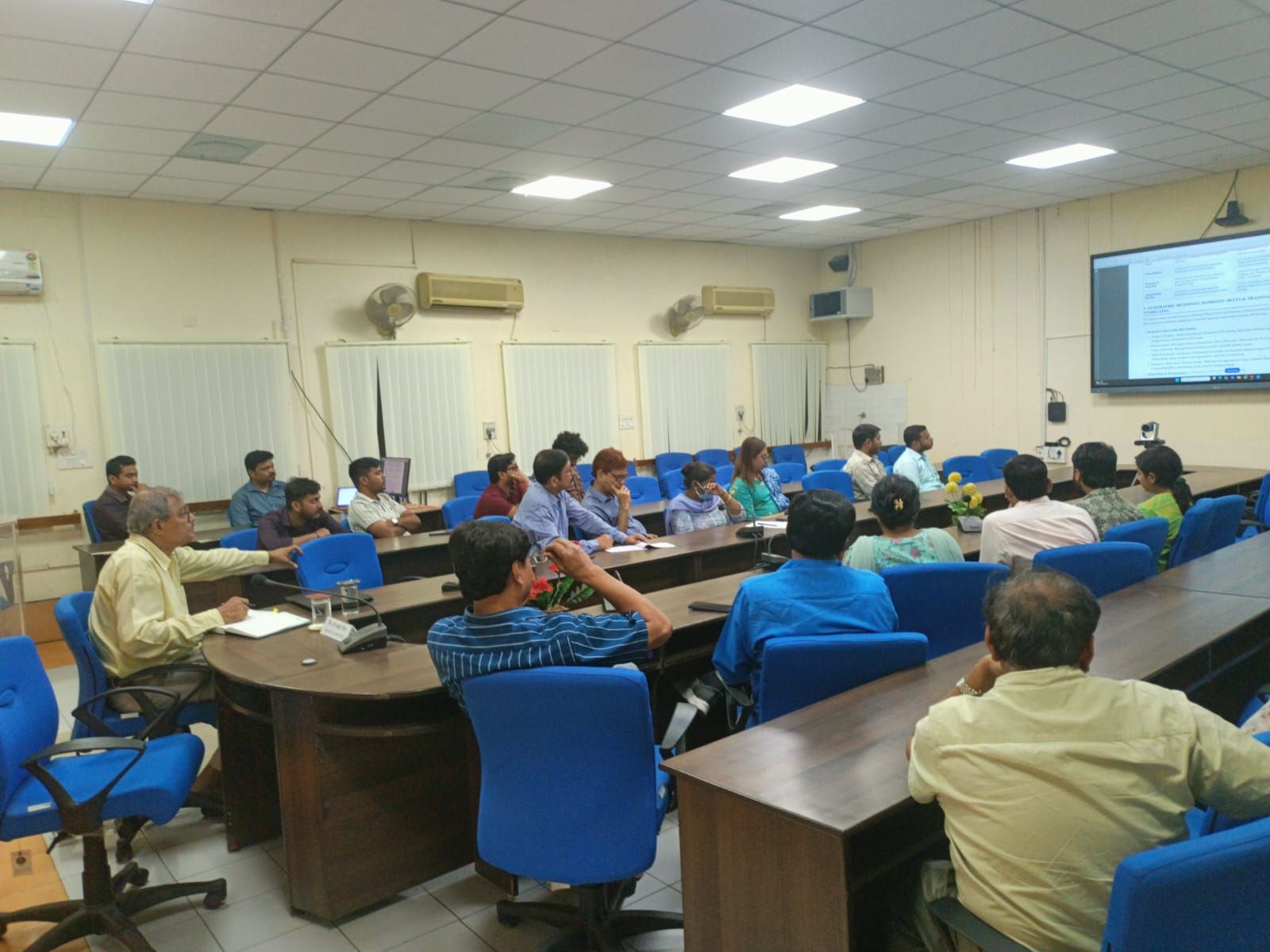
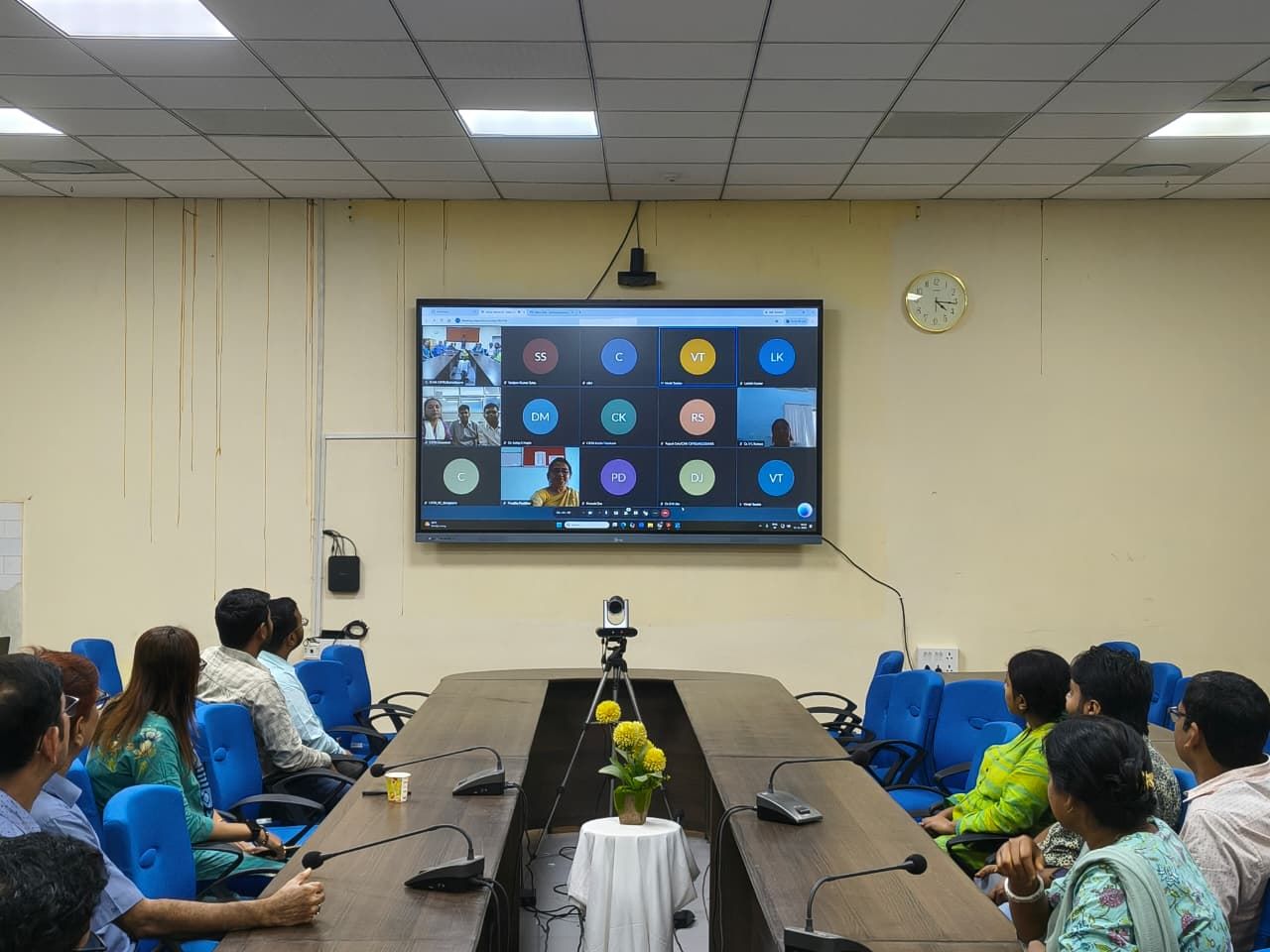
As part of its ongoing efforts to strengthen preventive vigilance, digital awareness and institutional integrity, the ICAR-Central Inland Fisheries Research Institute (ICAR-CIFRI), Barrackpore, organised a special virtual lecture on “Cyber Crime and Cyber Security” on 11 November 2026 at 3:00 PM onwards.
The programme was organised in the context of the ongoing Preventive Vigilance Campaign, being observed from 17 August to 16 November 2026, in accordance with CVC Circular No. 025/VGL/06 dated 03.08.2026, with a special focus on “Digital Initiatives” for promoting transparency, accountability and integrity in public service.Shri Vivek Vijay Tambe is a Senior Police Inspector associated with the Economic Offences Wing (EOW), Mumbai Police, with professional experience in addressing cybercrime, financial frauds and technology-enabled criminal activities. He delivered an insightful and comprehensive lecture on “Cyber Crime and Cyber Security” at ICAR-CIFRI on 11 November 2026. Drawing upon practical experiences and real-life cybercrime cases, he sensitised participants about emerging cyber threats, online financial frauds, digital arrest scams, phishing, UPI frauds and AI-enabled cybercrime. He also highlighted practical preventive measures, safe digital practices and the importance of timely reporting of cyber financial frauds through the national helpline 1930. His presentation emphasised that cyber security is a shared responsibility requiring awareness, vigilance and responsible use of digital technologies.
Recognising that increasing dependence on digital platforms for official communication, financial transactions, procurement, research documentation, data management and administrative operations has also created new vulnerabilities to cybercrime, the institute considered it important to sensitise its personnel about emerging cyber threats and the need for secure, transparent and responsible digital practices. The lecture was therefore envisaged as a preventive vigilance initiative to strengthen cyber awareness, protect institutional and personal information, minimise digital vulnerabilities and promote a culture of integrity and accountability in the use of digital technologies.
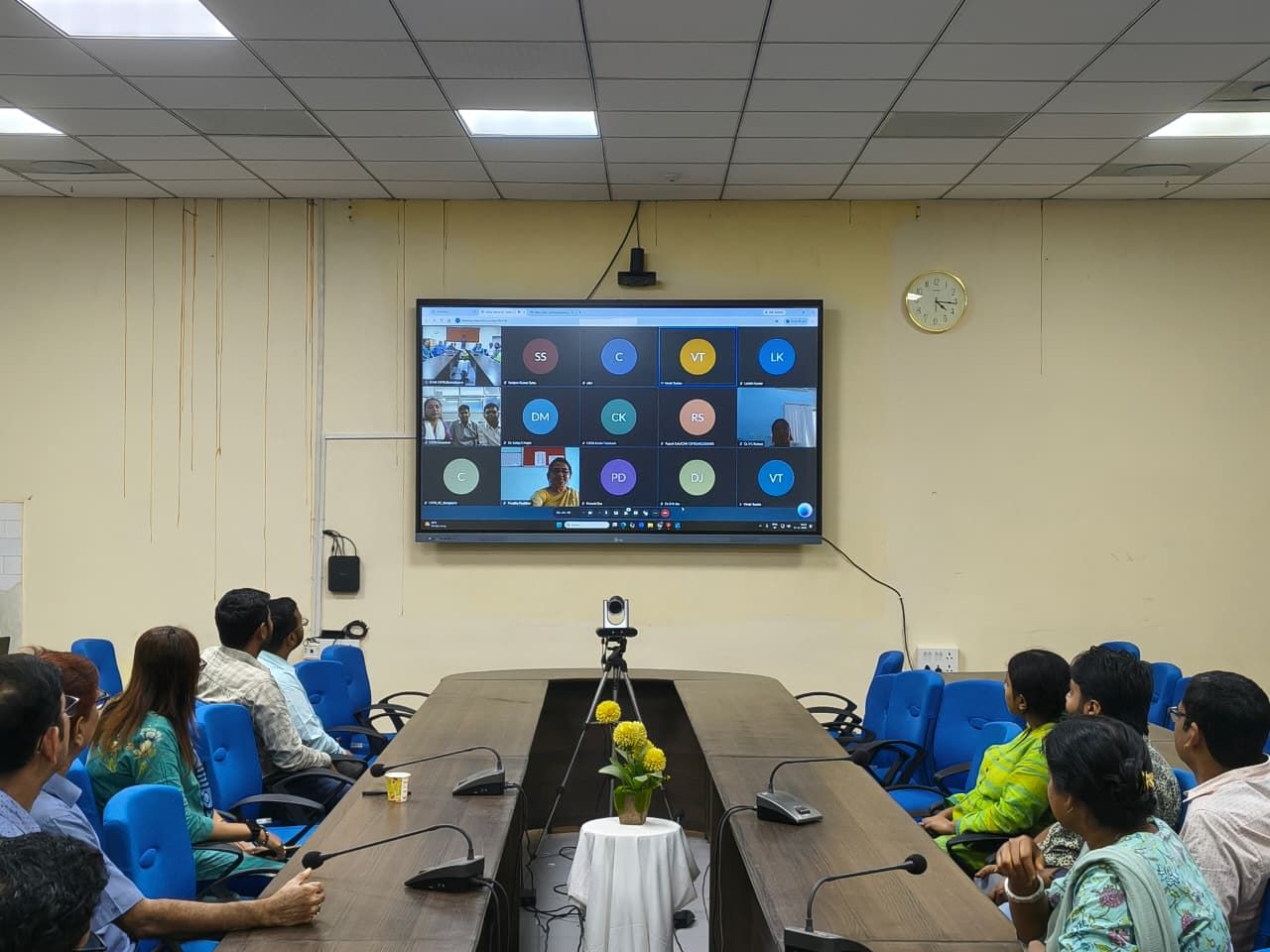
The programme was conceptualised by Dr. D. K. Meena, Senior Scientist and Vigilance Officer, ICAR-CIFRI, under the guidance of Dr. Pradip Dey, Director, ICAR-CIFRI, as a part of the institute's commitment to translating the objectives of the Preventive Vigilance Campaign into practical awareness and capacity-building activities.
The programme witnessed enthusiastic participation from a wide cross-section of the ICAR-CIFRI fraternity, including the Director, Heads of Divisions (HODs), Heads of Sections/Centres (HoCs), scientists, technical personnel, administrative and finance staff, research scholars and students, contractual employees, and personnel from the institute's centres. The participation of different categories of employees reflected the importance of cyber security awareness across all levels of the organisation.
Major Highlights of the Lecture
During his comprehensive and informative presentation, Shri Tambe discussed the changing nature of cybercrime in India, particularly its evolution from conventional email frauds and unauthorised access to sophisticated, organised and technology-driven financial crimes. He explained how the expansion of digital payments, UPI transactions, smartphones and internet-based services has created new opportunities for cybercriminals to exploit unsuspecting individuals through social engineering, phishing, identity manipulation and other fraudulent techniques.
The major areas covered during the lecture included:
1. Evolution of Cybercrime in India (2010–2026): The speaker presented an overview of the changing patterns of cybercrime over the last 16 years, highlighting the transition from email lottery scams, website defacement and unauthorised account access to banking frauds, UPI-related scams, fake loan applications, fraudulent trading platforms, cryptocurrency-related frauds, sextortion, digital arrest scams and AI-enabled deepfake impersonation.
2. Cybercrime versus Traditional Crime: He explained the fundamental differences between conventional criminal activities and technology-enabled offences, particularly the anonymity of cybercriminals, geographical spread of criminal networks, use of fake identities and digital platforms, rapid movement of fraudulent funds through multiple bank accounts, and challenges associated with investigation across different jurisdictions.
3. Domestic and International Cybercrime Networks: The lecture highlighted various cybercrime hotspots in India, including Jamtara, Deoghar, Dumka, the Mewat region and Delhi-NCR, along with international networks operating from parts of Southeast Asia, West Africa and other regions. The speaker explained how organised syndicates exploit digital communication platforms, banking systems and technological vulnerabilities to execute large-scale financial frauds.
4. Emerging Cyber Threats and Digital Frauds: Special attention was given to UPI frauds, QR-code scams, fake KYC updates, fraudulent customer-care numbers, online investment and trading scams, loan application frauds, digital arrest threats, sextortion, voice cloning and deepfake-based impersonation. He cautioned participants against sharing OTPs, banking credentials, confidential information and other sensitive personal details with unknown persons.
5. Multi-layered Cyber Security and Preventive Measures: An important part of the lecture focused on practical precautions that individuals and institutions should adopt to strengthen digital security. The speaker emphasised the importance of enabling two-factor authentication, avoiding suspicious links and applications, not sharing banking credentials, maintaining secure backups of important data, updating software regularly and verifying official financial communications through independent channels.
Particular emphasis was placed on safeguarding institutional information, research data, official email accounts and financial transactions. The speaker also cautioned participants against falling victim to so-called digital arrest scams, clarifying that police authorities and investigative agencies do not conduct custodial interrogation or issue arrest warrants through Skype or WhatsApp video calls.
6. Immediate Action and Reporting of Cyber Financial Fraud: Emphasising the importance of timely reporting, Shri Tambe explained the significance of the initial two to three hours, often referred to as the Golden Hour, in cyber financial fraud cases. Participants were advised to immediately contact the National Cyber Fraud Helpline 1930, report incidents through the National Cyber Crime Reporting Portal (www.cybercrime.gov.in), and inform their respective banks to prevent further unauthorised transactions. He also highlighted the importance of preserving digital evidence, including call records, SMS alerts, WhatsApp conversations, screenshots and transaction reference numbers, for subsequent investigation.
An Informative and Highly Interactive Session
The session was highly informative and interactive, with active engagement from participants representing different functional and professional categories of the institute. The practical illustrations, real-life cybercrime scenarios and preventive strategies shared by Shri Tambe generated considerable interest among the participants. The interactive nature of the lecture was evident from the enthusiastic responses, active participation and encouraging feedback received from the attendees.
The discussion helped participants gain a better understanding of emerging cyber threats, identify common vulnerabilities in their day-to-day digital activities and appreciate the importance of adopting responsible and secure digital practices. The wide-ranging participation of scientists, technical and administrative personnel, finance staff, students, contractual employees and staff from the institute's centres further enriched the learning experience and reinforced the message that cyber security is a shared responsibility.
Strengthening Preventive Vigilance through Digital Initiatives
The special lecture holds particular significance in the context of the ongoing Preventive Vigilance Campaign 2026 and its focus on Digital Initiatives. In contemporary public institutions, digital transformation has become an essential instrument for improving efficiency, transparency and accountability. However, the effective implementation of digital systems also requires adequate awareness of cyber risks, data protection, secure digital transactions and responsible handling of institutional information.
For a scientific research institution like ICAR-CIFRI, where digital platforms are extensively used for research activities, financial management, procurement, official communication and administrative processes, ensuring cyber security is integral to institutional governance and operational integrity. The lecture highlighted that protecting digital information and preventing cyber fraud are not merely technical concerns but important dimensions of preventive vigilance.
By sensitising personnel across different levels of the institute, the programme sought to promote a proactive approach towards identifying digital vulnerabilities, preventing cyber-enabled misconduct, safeguarding institutional resources and strengthening trust in digital systems. It also reinforced the principle that vigilance should not remain confined to detecting irregularities but should focus equally on awareness, prevention and responsible conduct.
The initiative represents ICAR-CIFRI's commitment to the objectives of the Central Vigilance Commission and its ongoing efforts to translate the focus on Digital Initiatives into meaningful institutional action through awareness, capacity building and collective responsibility.