Kisan Samman Diwas and Awareness Programme on "विकसित भारत जी राम जी" Organised by ICAR-CIFRI
23rd December, 2025
Barrackpore, West Bengal and Madhuban Village, Kaprada Taluka, Valsad District, Gujara

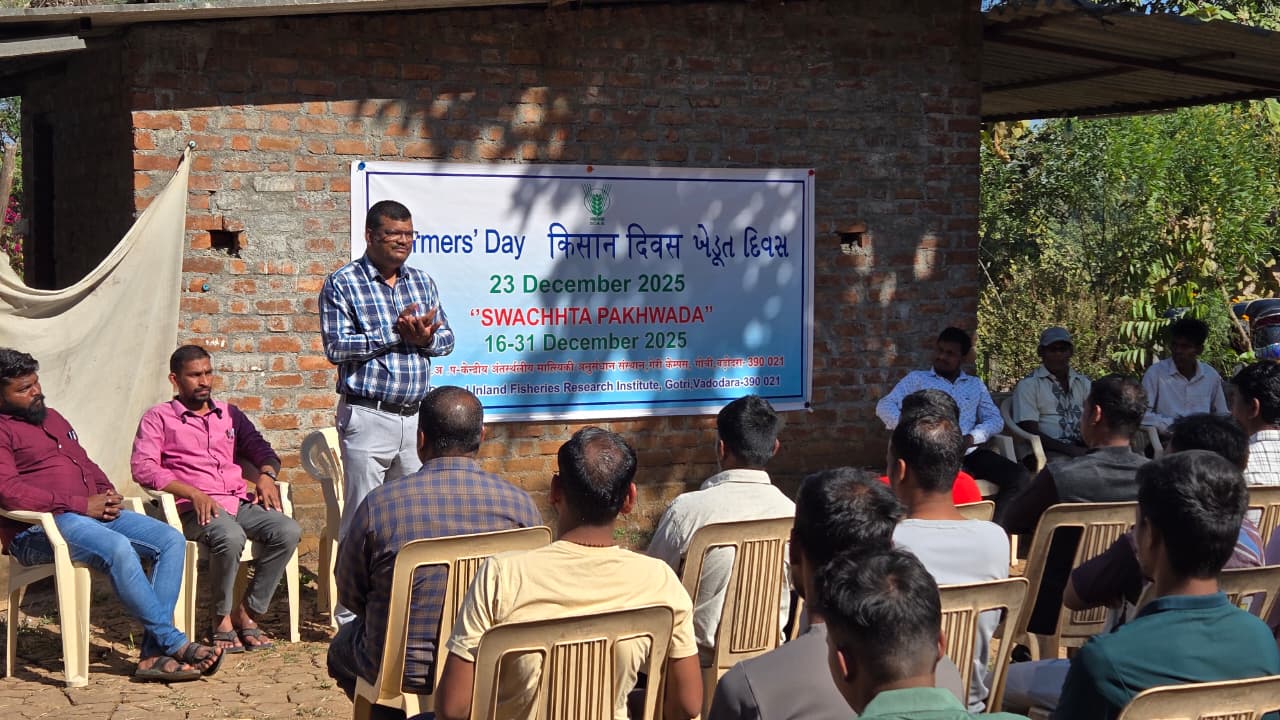
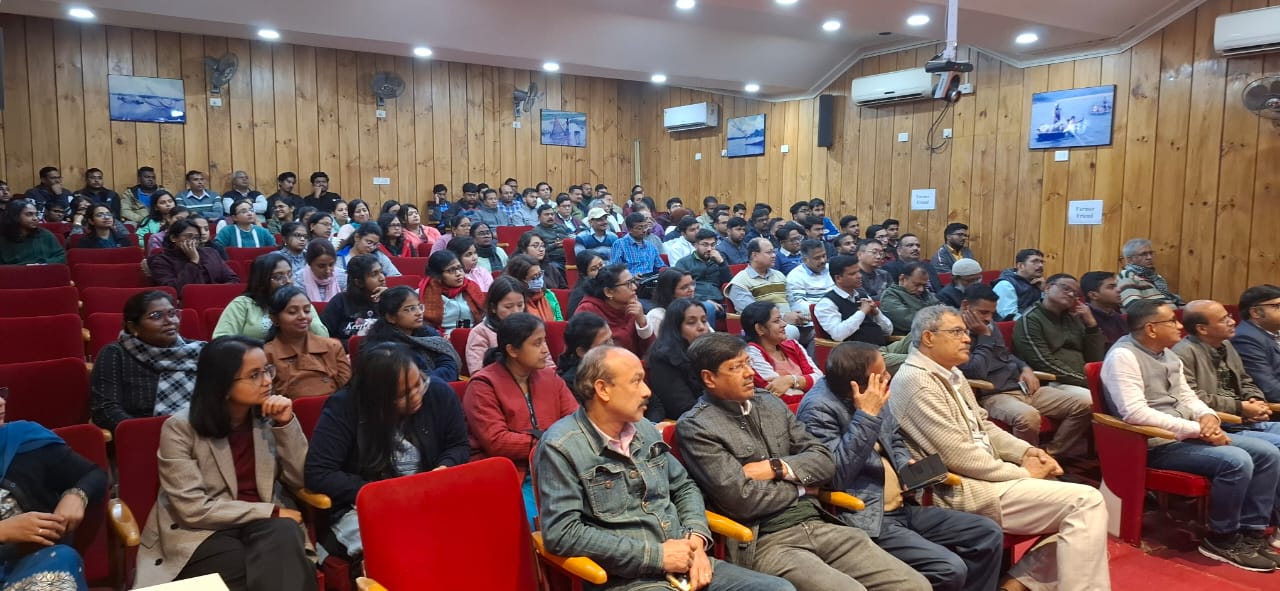
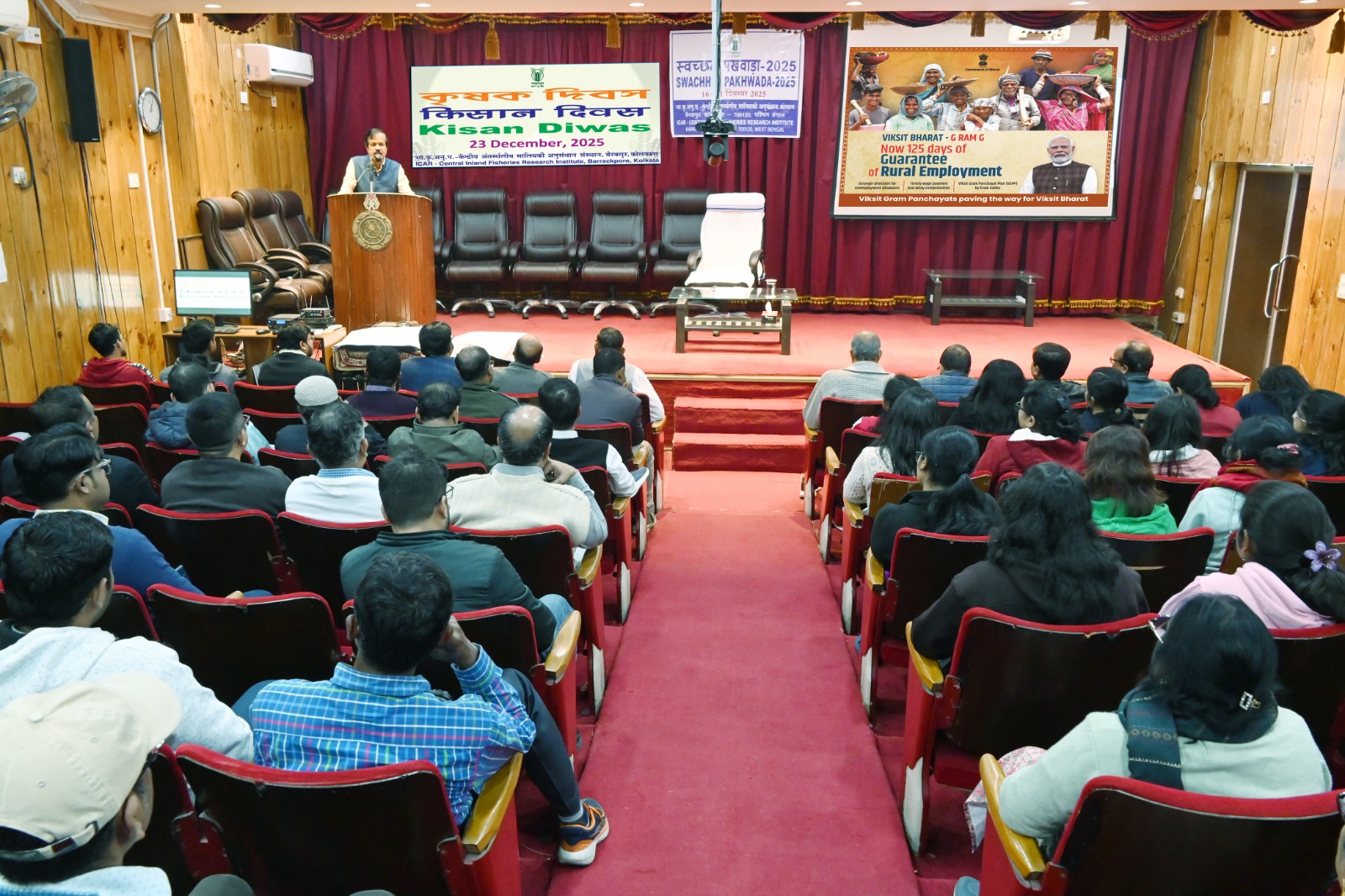
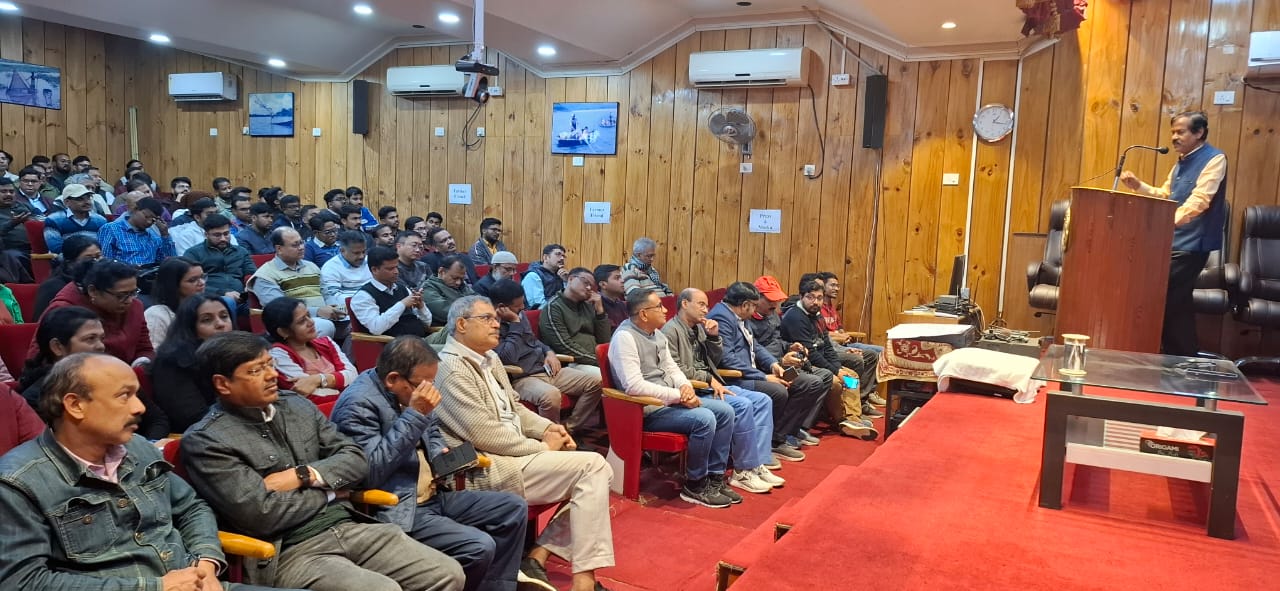
ICAR–Central Inland Fisheries Research Institute (ICAR-CIFRI) organised Kisan Samman Diwas along with an awareness creation programme on the "विकसित भारत जी राम जी" mission today at two locations, namely (i) ICAR-CIFRI Headquarters, Barrackpore, West Bengal, and (ii) Madhuban Village, Kaprada Taluka, Valsad District, Gujarat, through ICAR-CIFRI, Vadodara Centre.
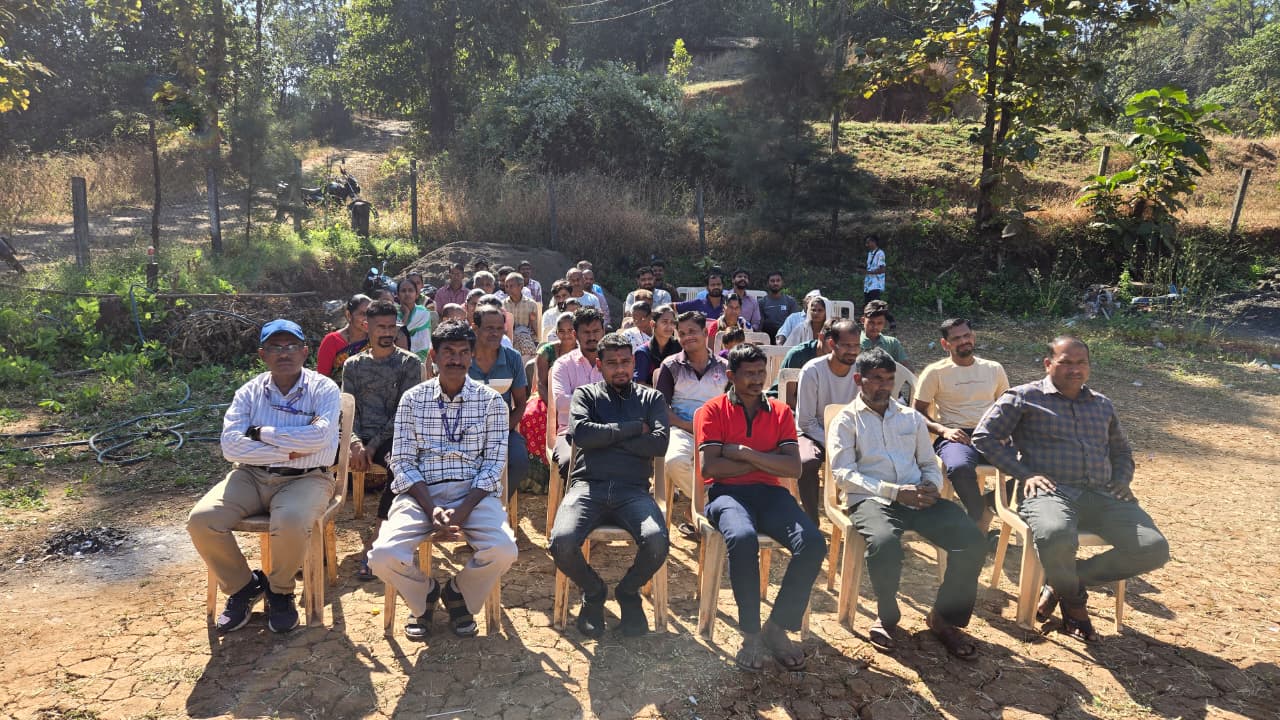
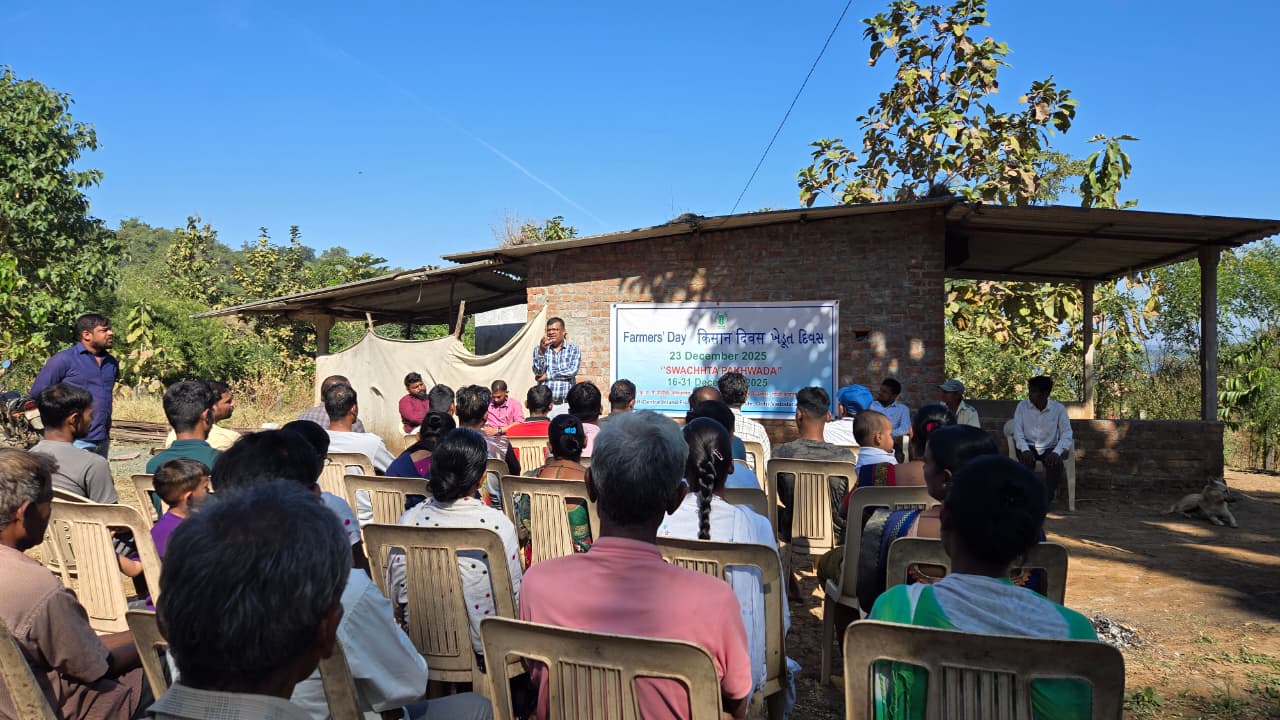
A total of 504 participants, including 285 farmers, 58 farm women and 161 staff members, actively participated in these programmes. Dr. B. K. Das, Director, ICAR-CIFRI, briefed the participants on the significance of Kisan Samman Diwas and highlighted the objectives and key provisions of the Viksit Bharat GRAMG mission, recently passed by Parliament during the winter session. He emphasised the role of the mission in strengthening rural livelihoods and ensuring income security for farming households.

During the programme, farmers were sensitised about the salient features of the "विकसित भारत जी राम जी" mission, including the provision of 125 days of guaranteed wage employment per rural household per financial year, an enhancement from the earlier 100 days. The scheme also provides for an aggregated 60-day no-work period to ensure adequate availability of agricultural labour during peak sowing and harvesting seasons, while guaranteeing employment for the remaining 305 days of the year, thereby benefiting both farmers and rural labourers.

The programme concluded with interactive discussions and dissemination of information materials.


This website belongs to ICAR-Central Inland Fisheries Research Institute, Indian Council of Agricultural Research, an autonomous organization under the Department of Agricultural Research and Education, Ministry of Agriculture & Farmers Welfare, Government of India. Copyright @ 2010 ICAR, This website is developed & maintained by Agricultural Knowledge Management Unit.
2017 Last updated on 23/12/2025